Botanical Nutrition Guide
Exploring plant compounds and micronutrients in the context of men's nutritional patterns during mature adulthood
Introduction to Botanical Nutrition
Plants have been integral to human nutrition across cultures and centuries. In the context of mature adulthood, understanding the role of plant-derived compounds becomes increasingly relevant to general nutritional awareness. This educational resource presents scientific knowledge about natural plant sources, their documented properties, and their place within diverse dietary patterns. Our content is informational only and reflects publicly available nutritional science.
Plant-Derived Key Minerals
Natural plant sources provide various minerals relevant to general nutritional balance. The following represents commonly documented sources studied in nutritional science:
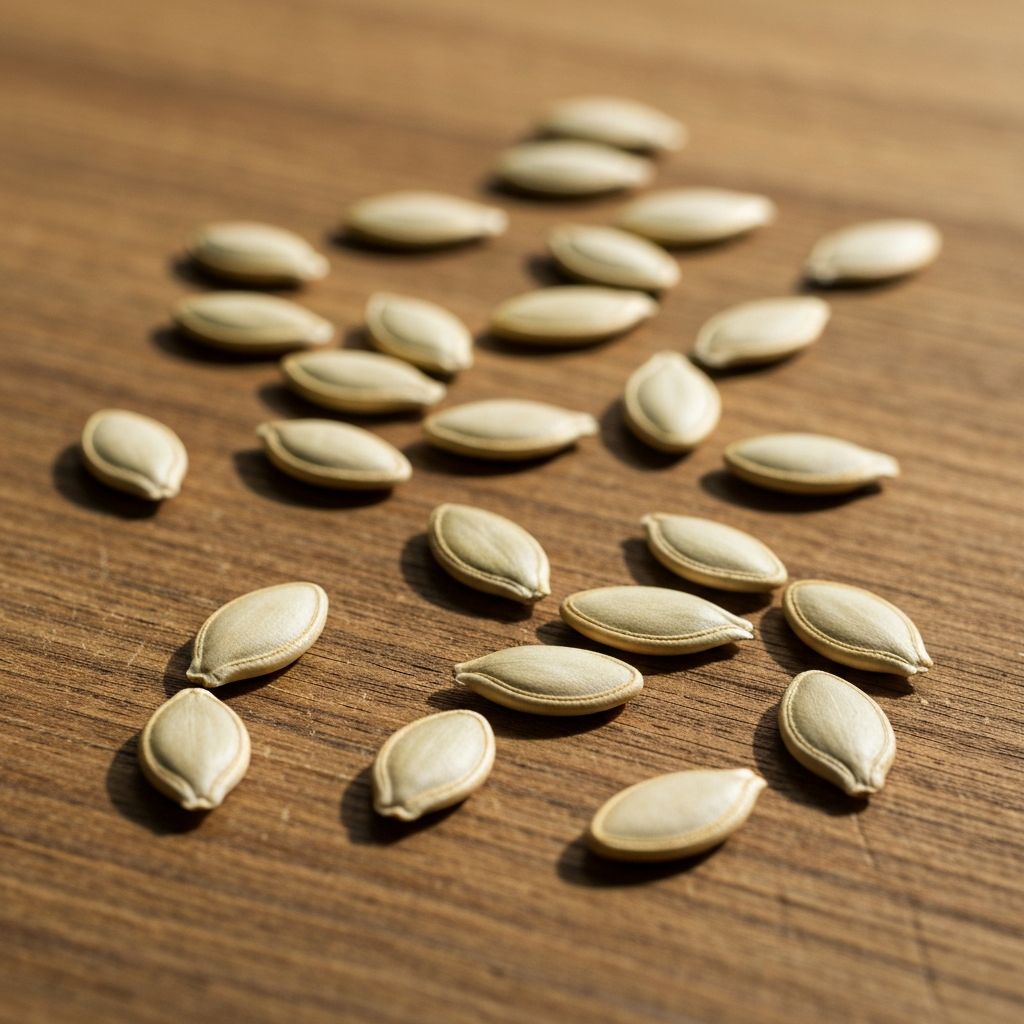
- Zinc Sources: Pumpkin seeds, sunflower seeds, legumes (lentils, chickpeas), and whole grains naturally contain zinc, a mineral with documented roles in various bodily functions studied in nutritional research.
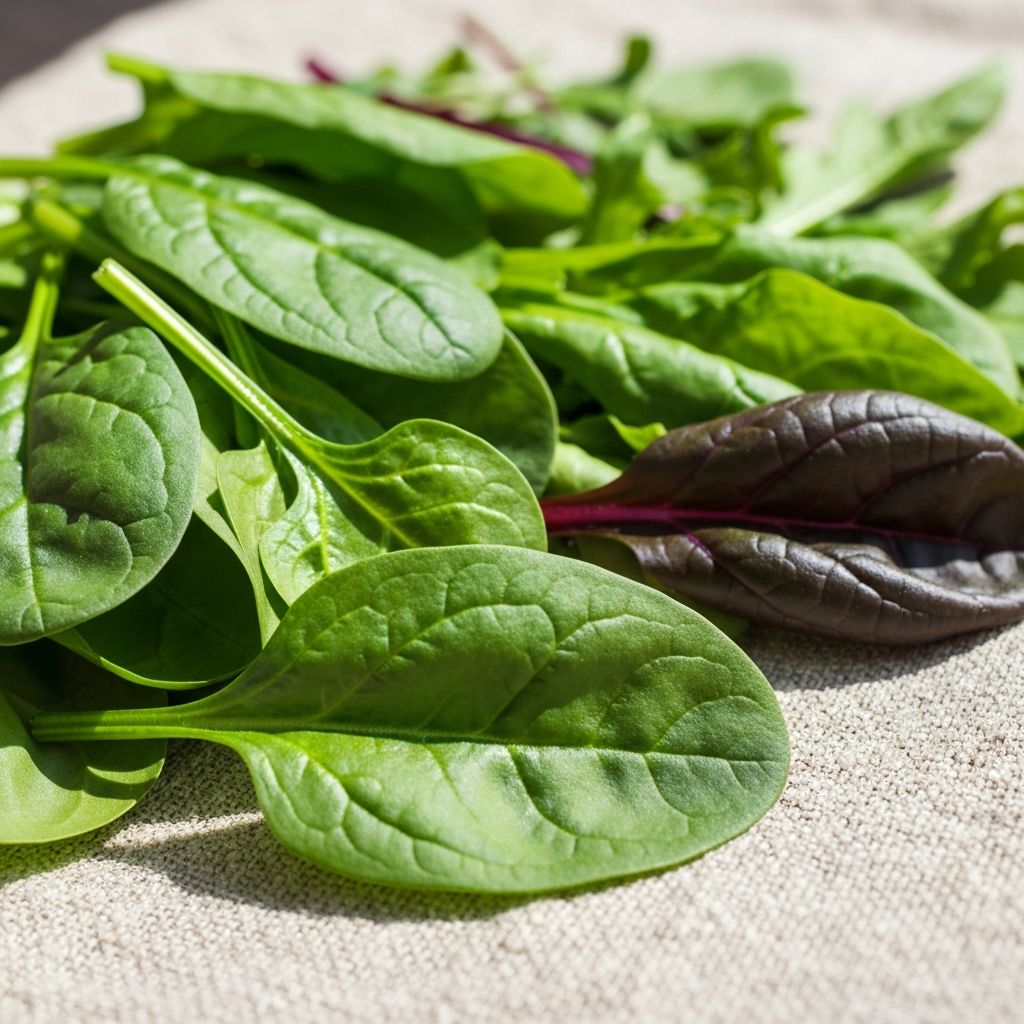
- Magnesium Sources: Leafy greens (spinach, kale), nuts, seeds, and legumes are traditional plant sources of magnesium, recognized in dietary science for its presence in diverse whole-food patterns.
- Selenium Sources: Brazil nuts, whole grains, legumes, and mushrooms contain selenium, a trace element studied in nutritional science for its occurrence in plant foods.
Herbal Properties Overview
Various plants have been used in traditional European dietary and wellness contexts. The table below presents neutral, documented characteristics studied in herbal and nutritional science:
| Plant | Traditional Use Context | Documented Properties (Science) |
|---|---|---|
| Ginseng (Panax) | Traditional Asian and European adaptogen | Studied for potential effects on energy and general vitality in nutritional literature |
| Nettle (Urtica dioica) | Traditional European herbal food | Rich in minerals and nutrients; historically consumed as nutritional plant in European traditions |
| Maca Root (Lepidium meyenii) | Traditional Peruvian dietary plant | Studied in nutritional science for nutrient content and role in diverse dietary patterns |
| Rosehip (Rosa canina) | Traditional European dietary source | High in vitamin C and antioxidants; documented in European nutritional traditions |
| Oat (Avena sativa) | Staple European grain | Nutritionally complete grain; documented role in balanced plant-based nutrition |
Polyphenol Sources in Nature
Polyphenols are plant compounds found abundantly in nature. Berries, roots, leaves, and other plant parts contain these substances, which have been the subject of nutritional research for decades.
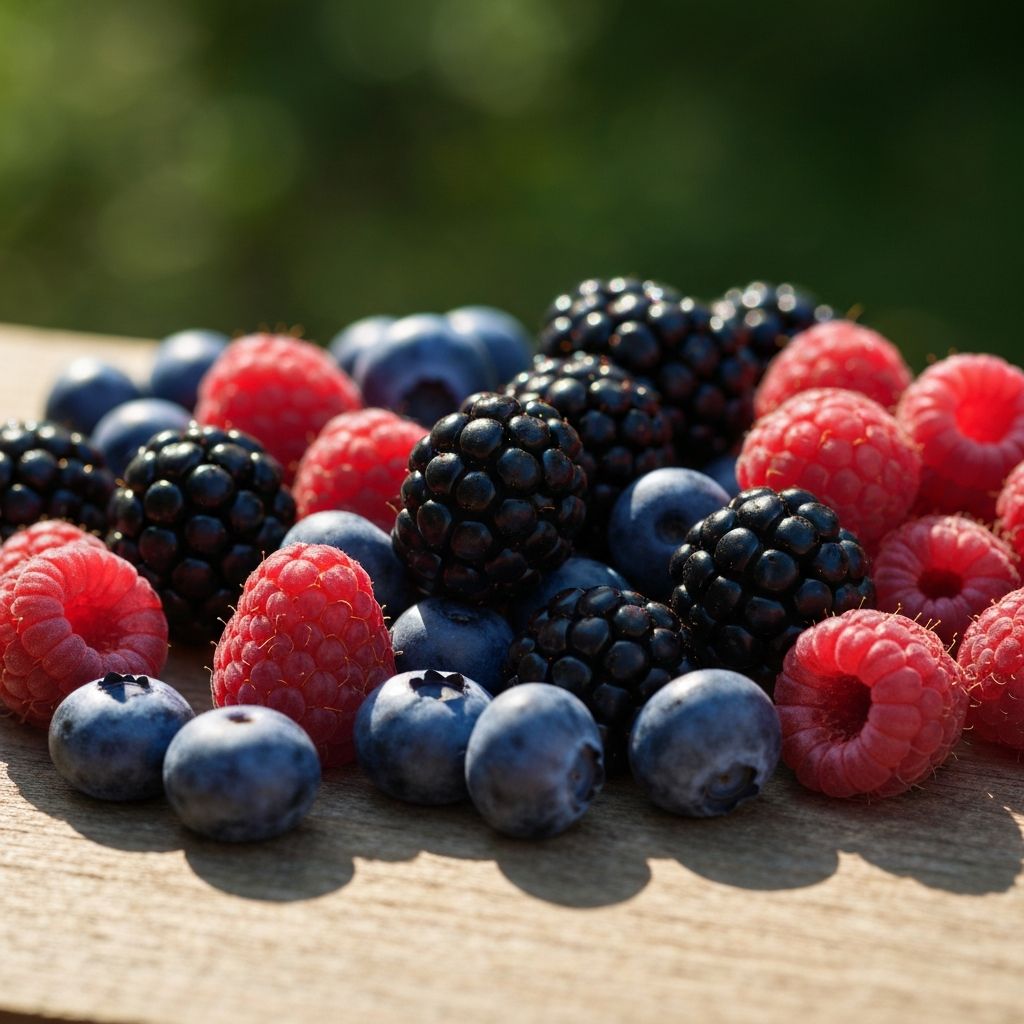
Key Plant Sources: Blueberries, blackberries, and raspberries; red grapes; dark leafy greens; green tea; legumes; and various roots are naturally rich in polyphenolic compounds. These are commonly studied in nutritional and phytochemistry research as components of plant-based foods.
Seasonal Plant Guide: Central Europe
Understanding seasonal availability of plants in Central Europe helps contextualize traditional dietary patterns:
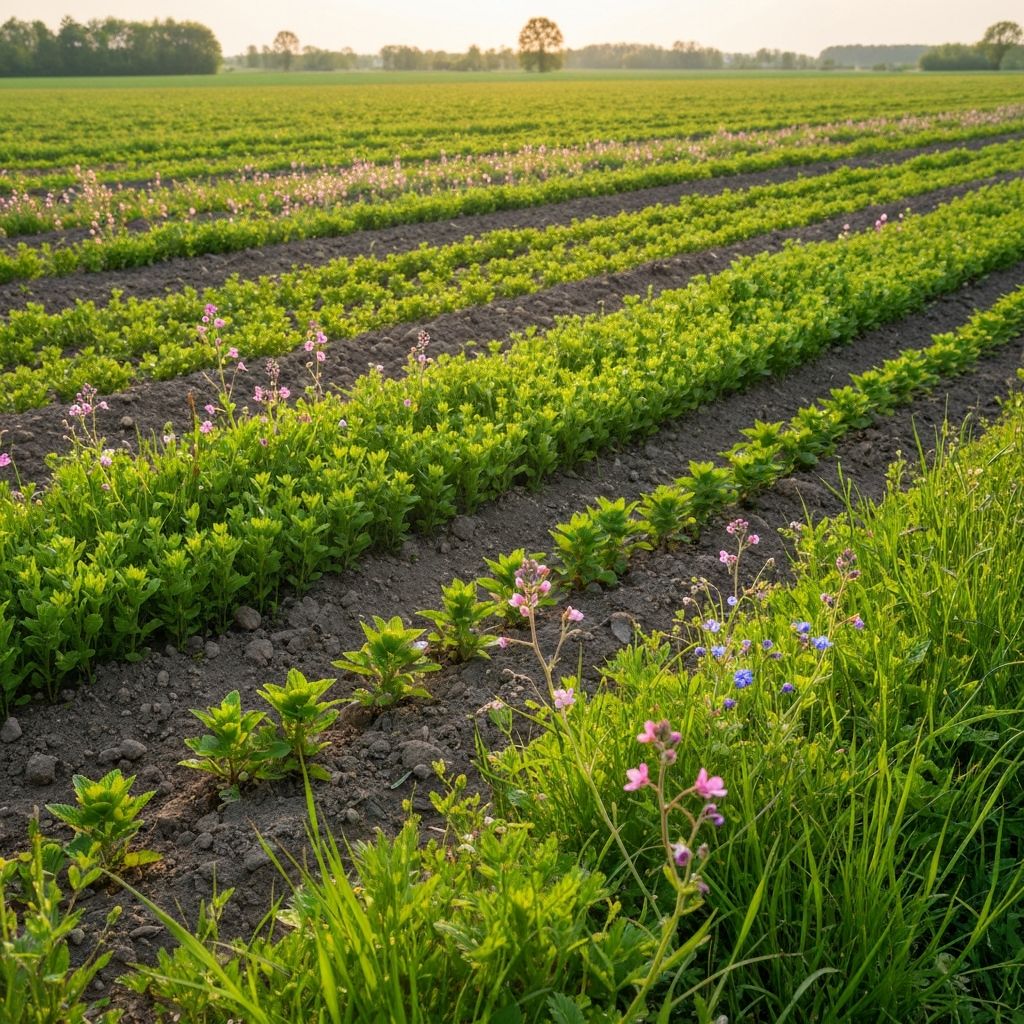
Spring
Young herb shoots, nettle, dandelion greens, and fresh leafy plants begin growth. Traditional European spring foraging patterns included these nutritional sources.
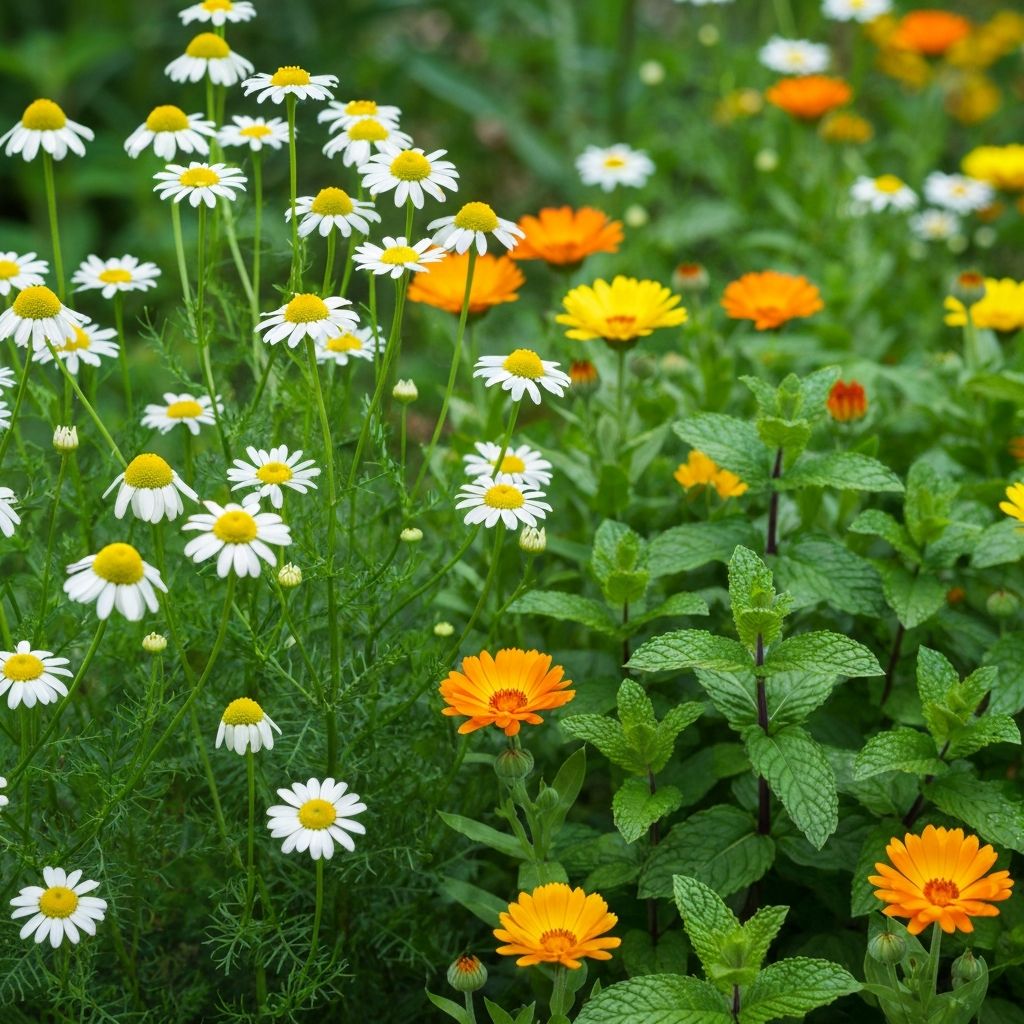
Summer
Flowering herbs reach peak growth. Chamomile, calendula, mint, and other botanical plants flourish. Harvest and drying begin during this season in traditional European practices.
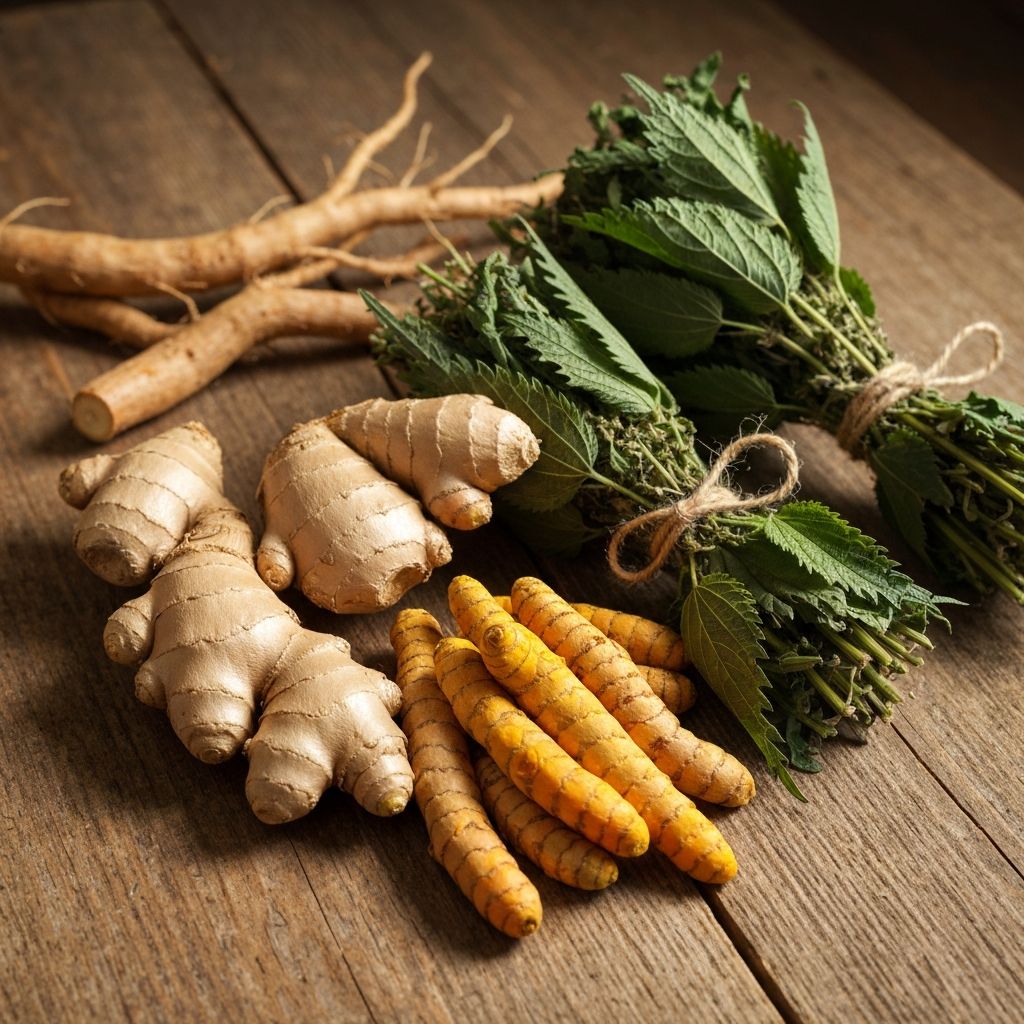
Autumn
Root vegetables, nuts, seeds, and dried herbs become primary plant sources. Ginger, turmeric, and similar roots are harvested. Traditional preservation methods are employed.
Factors Affecting Nutrient Absorption
Nutritional science recognizes that nutrient bioavailability from plant foods depends on multiple factors:
- Food Preparation: Cooking, fermentation, and processing can affect how plant nutrients become available to the body.
- Combination and Synergy: Consuming diverse plants together may enhance the absorption and effectiveness of certain compounds studied in nutritional science.
- Individual Variation: Age, genetics, and personal digestive factors influence how each person's body processes plant nutrients.
- Plant Maturity: The growth stage and harvest time of plants affect their nutritional composition and concentration of compounds.
Historical Plant Use in Germany
Germany has a rich tradition of plant use in nutrition and daily life. Understanding this context helps inform modern knowledge about botanical resources:
Medieval Period
German monasteries cultivated extensive herb gardens for nutritional and everyday use. Documented records show systematic knowledge of plant properties and seasonal patterns.
Renaissance to Industrial Era
German herbalists and physicians documented extensive botanical knowledge. Plants were central to household nutrition and wellness practices across generations.
Modern Era
Germany developed significant scientific research into plant compounds and nutritional science, contributing to global understanding of phytochemistry and herbal nutrition.
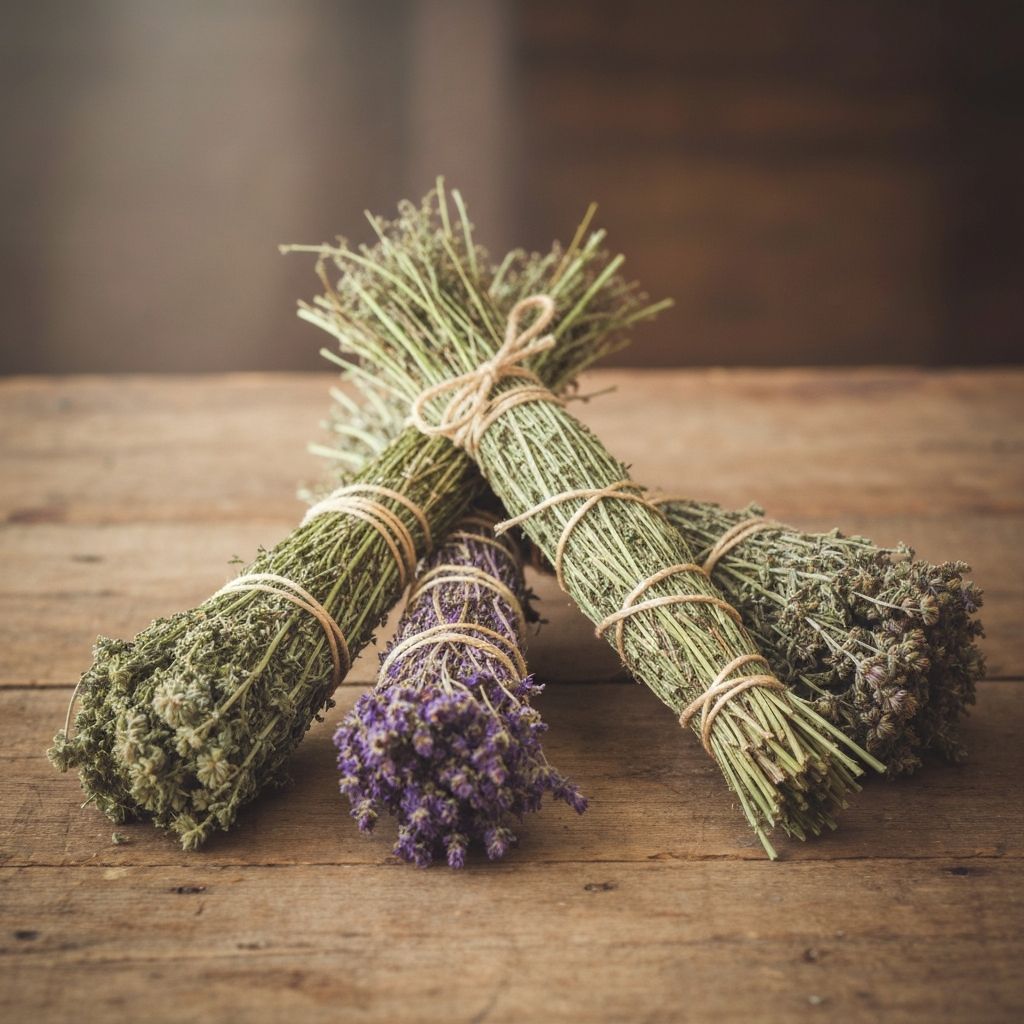
Common Plant Nutrition Myths
Educational clarification of common misconceptions about plant nutrition:
-
Myth: "All natural plant compounds are identical to synthetic versions."
Fact: Plant-derived compounds and lab-created versions may differ in bioavailability, synergy with other plant components, and bodily effects—a distinction studied in nutritional science. -
Myth: "Consuming more of a beneficial plant compound is always better."
Fact: Nutritional science demonstrates that balance, variety, and individual context determine health outcomes, not quantity alone. -
Myth: "One plant can replace a balanced diet."
Fact: Diverse consumption of many plant sources is the foundation of nutritional science approaches to general health. -
Myth: "Traditional use of plants equals scientific proof of effects."
Fact: Traditional knowledge and modern scientific research are complementary but distinct. Scientific evidence requires rigorous testing and documentation.
Types of Plant Nutrition Studies
Understanding research approaches helps contextualize available information about plant compounds:
- In Vitro Studies: Laboratory research on plant compounds in controlled cellular environments provides foundational knowledge about chemical properties.
- Animal Models: Controlled studies on animal subjects help researchers understand potential mechanisms before human research.
- Observational Studies: Researchers observe dietary patterns and health outcomes in populations without direct intervention.
- Randomized Controlled Trials (RCTs): Gold-standard research where participants are randomly assigned to different conditions, allowing strong conclusions about cause and effect.
- Meta-Analyses: Systematic reviews combining results from multiple studies to identify overall patterns in research findings.
Role of Dietary Diversity
Nutritional science emphasizes that diverse plant consumption provides the broadest spectrum of micronutrients, phytonutrients, and fiber. No single plant contains all beneficial compounds in optimal amounts. The human digestive system evolved to process and benefit from a wide variety of plant sources.
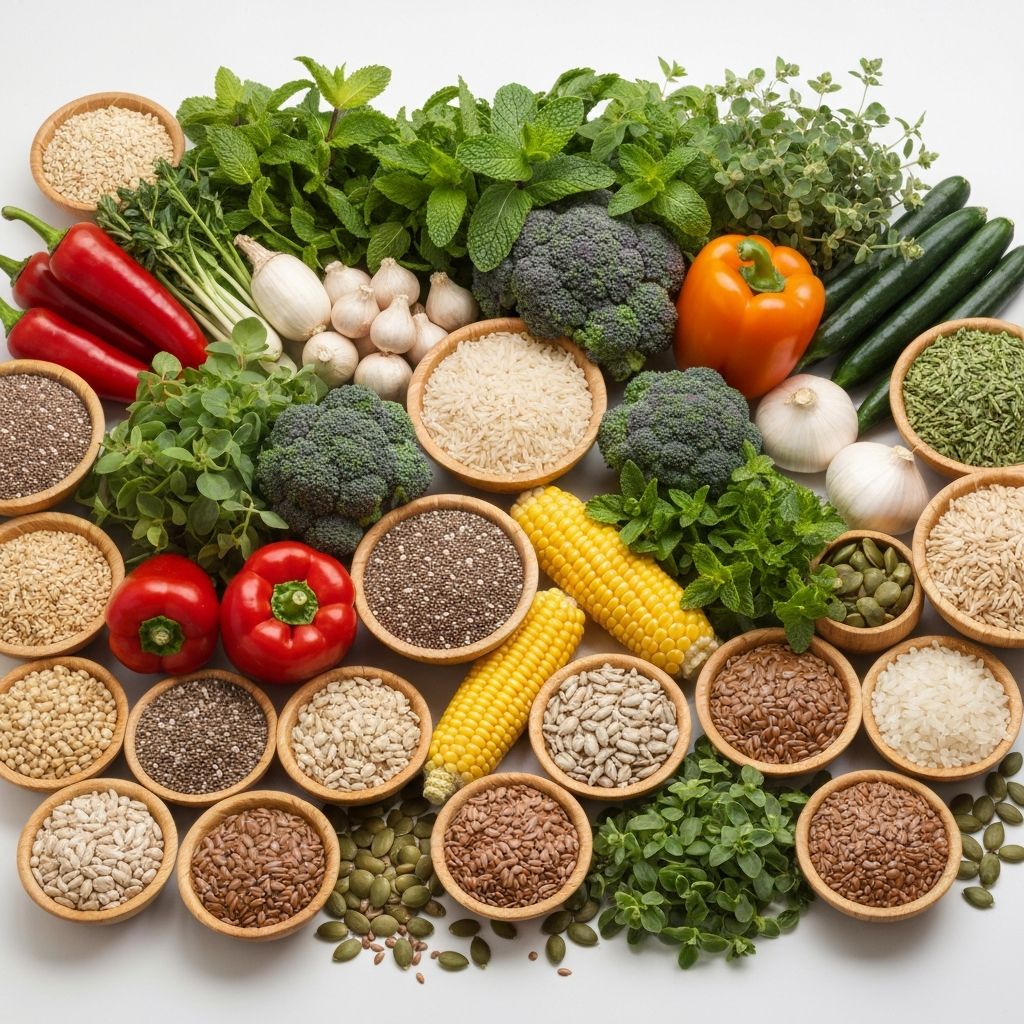
Benefits of Variety: Different colored plants contain different nutrient profiles. Rotating through seasonal plants, legumes, grains, leafy greens, berries, roots, and nuts ensures exposure to a comprehensive array of beneficial compounds. This principle is foundational to all major nutritional science guidelines.
Age-Related Nutritional Science
General scientific context on how nutritional needs evolve across the lifespan:
As men mature beyond age 40, nutritional science documents changes in how the body processes nutrients, absorbs certain minerals, and maintains general health through diet. This is not medical advice but general educational context: increased attention to mineral intake (particularly magnesium and zinc), vitamin D from various sources, and fiber becomes relevant. Diverse plant consumption supports these evolving nutritional patterns. Individual needs vary significantly based on genetics, lifestyle, and personal health status—professional consultation is appropriate for personalized guidance.

Neutral Reference List
The following open-access and peer-reviewed sources informed this educational resource:
- PubMed Central: Database of peer-reviewed nutritional studies
- World Health Organization (WHO): Dietary guidelines for adult nutrition
- FAO Dietary Reference Intakes: Scientific basis for nutrient recommendations
- Journal of the American Society of Nephrology: Mineral nutrition studies
- Phytotherapy Research: Botanical compound research journals
- Nature Plants: Plant science and phytochemistry research
- The Lancet: General nutrition and dietary science
Note: This resource does not promote any specific product, supplement, or brand. All references are educational and informational only.
Explore More
This educational resource provides foundational knowledge about botanical nutrition. For detailed exploration of specific topics, visit our dedicated sections: